
Which lip shape suits your face: upper-to-lower ratio, lip corners, and why “less but right” beats “full”
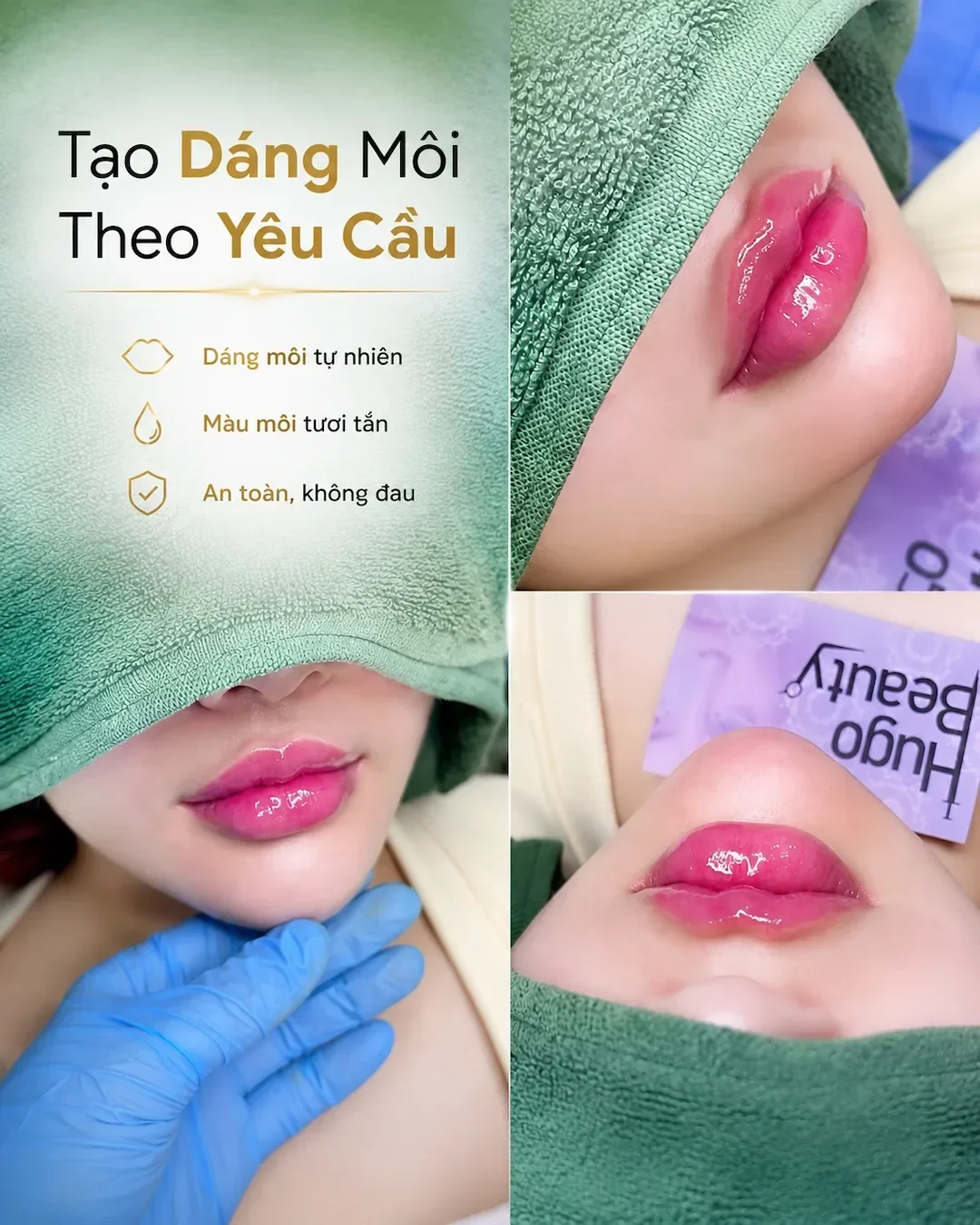
The question we hear most about lips is not “where” or “how much”. It is a photo on a phone with the words “I want lips like this”. And the honest answer from Hugo Beauty, most of the time, is: that shape is beautiful on that face, but it may not be beautiful on yours.
Lips do not stand alone. They sit between the nose and the chin, in balance with the philtrum, and they change with every expression. So the first step in choosing a lip shape is not choosing fullness, it is understanding what your face actually needs. This article walks through exactly what a specialist looks at during a consultation, so you can see it yourself before you come in.
There is no best lip shape, only the one that is right for your face
Every few years a new lip look is in fashion: the full round lip, the heart shape, the sharply lined “Russian” lip, and lately the softly glossy Korean look. Each suits some faces and not others, and what the lips people call natural have in common is that they are not any particular style — they are simply right for the face that carries them.
A lip shape that is right has three fairly easy signs: from the front it looks balanced with the nose and chin; from the side it does not sit forward of an imaginary line from the nose tip to the chin; and when you smile it stays soft, not tight. Everything else — fullness, gloss, a sharp or soft border — is a matter of taste, and taste should come after those three.
Four things a specialist looks at before talking about fullness
The ratio of upper lip to lower lip. On most harmonious Asian faces, the lower lip is a little fuller than the upper one, roughly 1 part upper to 1.3–1.6 parts lower. An upper lip that is equal to or fuller than the lower lip is the most common reason a pair of lips looks “done”, even when the volume is small.
The corners of the mouth. Corners that turn slightly down make the face look sad or stern even when you are happy. Many clients think they need fuller lips, when what actually needs adjusting is a light lift at the two corners so the lip line sits level — a very small change that changes the whole expression.
The philtrum and the upper lip border. A long philtrum makes the upper lip look thin and far from the nose; the upper border (the M shape in the middle) being crisp or blurred decides whether the lips look “defined”. Defining the border usually gives a far more natural result than adding fullness everywhere.
Balance with the nose and chin. This is what decides “less or more”. A short or receding chin means the lower lip should not get fuller; a high nose bridge means the upper lip can be a little more defined. If the chin or jaw is what is out of balance, facial balance should be looked at first and the lips after — fuller lips on a face that is not yet balanced only make the imbalance clearer.
What soft glam is, and why the trend moved from “full” to “lightly glossy”
Soft glam is the name for a fairly simple approach to lip shaping: keep the shape you have, make the lips hydrated, clearly bordered and lightly glossy, and add very little or no volume. The goal is that nobody can name what you had done — they just see that you look fresher.
The trend comes from Korean aesthetics, where beauty is measured by harmony rather than by any one feature standing out. At Hugo Beauty we have worked this way from the start, for a practical reason: lips that are fuller than the face needs look dated very quickly when the trend changes, while lips in the right proportion never go out of style.
One common misunderstanding: soft glam does not mean “doing less to save money”. It asks the specialist to look harder, because a small change in exactly the right place is much more difficult than adding a little everywhere.
Three lip shapes we see most in Ho Chi Minh City, and how each is balanced
Thin lips, both upper and lower. This is the group most easily happy with soft glam: define the border and bring back hydration, and the lips already look noticeably fuller before much is added. If you want more, add to the lower lip first to keep the ratio.
An upper lip much thinner than the lower one, with a long philtrum. This is the group most often done wrong: the upper lip is filled out to “match” the lower one, and the result is an upper lip that sits forward and goes tight when you smile. The better direction is to define the M shape on the border and lift the edge of the upper lip slightly, so the upper lip looks closer to the nose instead of thicker.
Downturned corners, a face that looks sad. This group usually needs no added fullness at all. A light lift at the two corners plus a clearer border there is enough to make your resting expression look more at ease. If your main concern is actually dryness, flaking and a fading border rather than shape, our article on dry lips, lip lines and a fading border covers that in detail — and hydration is usually the thing to care for first.
What you want, what actually needs adjusting, and what not to expect
| What you tend to say | What actually needs adjusting | What not to expect | The question to ask your specialist |
|---|---|---|---|
| “I want fuller lips” | Usually the border is not defined or the lips are dry; fullness is the last step | Fuller lips with the nose-to-chin proportion unchanged | “What would it look like if we only defined the border?” |
| “My upper lip is too thin” | A long philtrum or a blurred M-shaped border; rarely a lack of volume | An upper lip equal to the lower one that still looks natural | “What is my upper-to-lower ratio right now?” |
| “My face looks sad” | Downturned corners; sometimes with a slightly receding chin | Filling the whole lip to look “happier” — it usually does the opposite | “Is lifting the corners enough, or do we need to look at the chin?” |
| “I want lips like this photo” | Find what the photo and your face have in common, and leave out the rest | Copying someone else’s lip shape | “Which part of this photo works on my face?” |
| “I am afraid it will look fake” | Start light, review after about two weeks, then add | The final result on the first visit | “What does the review visit decide?” |
This table is a guide. Every face is its own case, and the specialist will look at yours in person before suggesting anything.
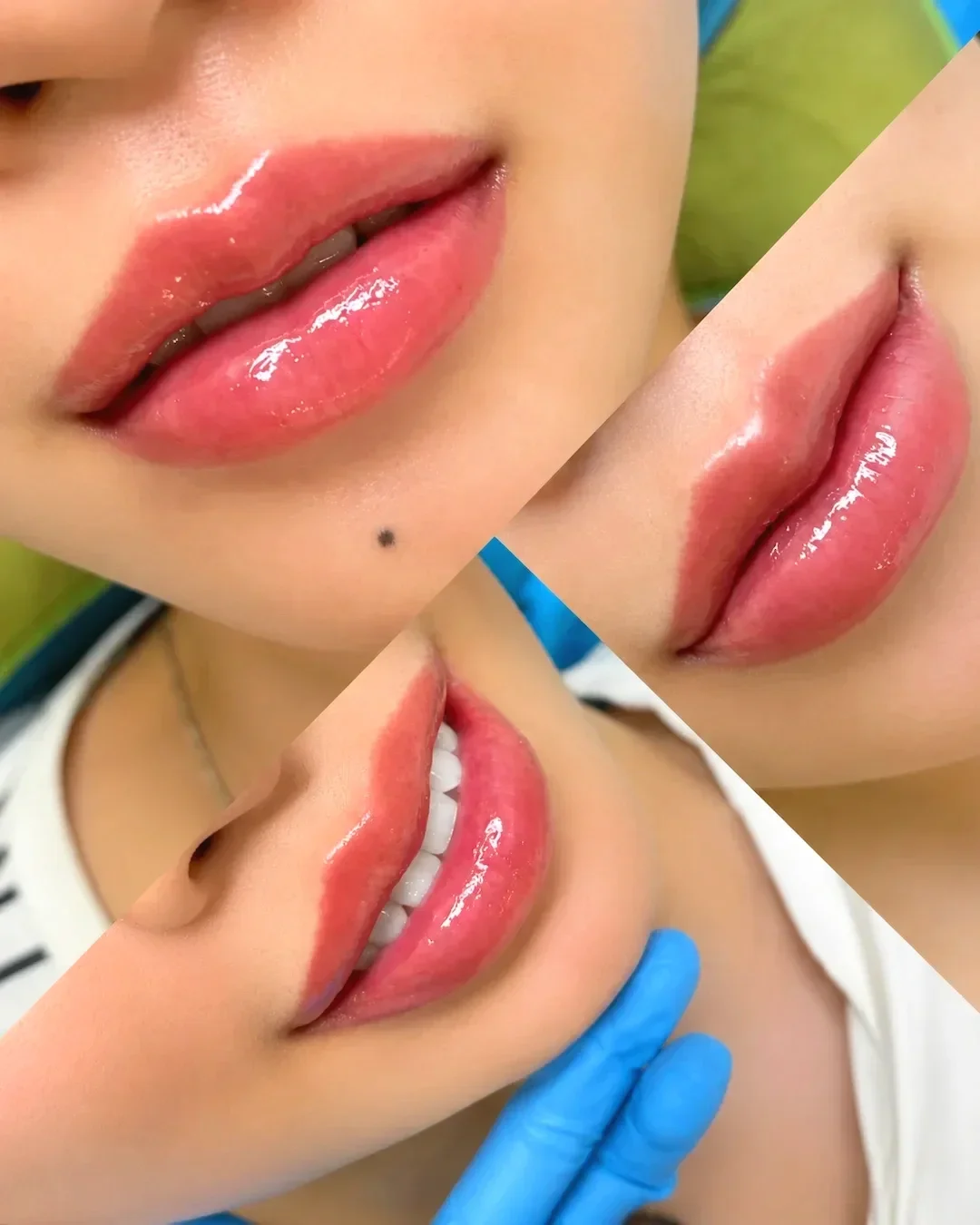
Check in the mirror: two angles, two expressions
Stand by a window in natural light, remove all lipstick and apply a thin layer of balm. Ask someone to take the photos, or set the phone at eye level.
First photo: front on, face fully relaxed. Look at whether the lower lip is slightly fuller than the upper, whether the corners sit level or turn down, and whether the upper border shows a clear M shape.
Second photo: at 45 degrees, face relaxed. Imagine a straight line from the tip of the nose to the chin: lips that sit just behind that line are in balance; lips that touch or cross it are already full enough, and should not get more.
Third photo: front on, a light closed-mouth smile. Do the lips stay soft and spread evenly, or do they go tight at one point? This is the photo that tells the truth about whether your lips “fit” your face.
Bringing these three photos to the consultation saves a lot of time, because these are exactly the points a specialist looks at.
What a lip shaping visit at Hugo Beauty looks like
Consultation, 15 to 20 minutes. We look at your lips from all three angles above, ask what you do not like about your lips now — usually far more specific than “I want them prettier” — and say plainly what is worth doing and what is not.
The plan is agreed before anything starts. You know exactly where the adjustment will be — border, corners or fullness — and how light it will be. Nothing is added beyond what was agreed.
A short visit, in a private room. Most clients come during a lunch break and go back to work afterwards. For the first few days the lips usually look a little fuller than the final result and settle gradually over about two weeks — which is when we book you for a review.
The review visit decides the next step. Many clients stop here because they are already happy; anyone who wants a little more definition adds it at this visit. The “light first, add later” approach is one beat slower, but it almost never goes past what the face needs. The service is described on our natural lip balance page, and what to do and avoid in the first few days is in the aftercare guide.
Frequently asked questions
Which lip shape is most popular right now?
In Ho Chi Minh City the look we are asked about most is soft glam: keep your own shape, define the border, add a light gloss and very little volume. But the “popular” shape matters far less than the shape that fits your own nose-lip-chin proportion.
If my upper lip is thin, should it be made as full as the lower one?
Usually not. A lower lip slightly fuller than the upper one is the proportion that looks natural on most faces. For a thin upper lip, defining the M-shaped border and lifting the edge a little gives a much softer result than adding volume.
How long until the lip shape settles?
For the first few days the lips usually look a little fuller than the final result, then settle gradually over about two weeks. That is why Hugo Beauty always books a review after about two weeks before considering anything more.
Can I bring a reference photo?
Please do. A photo helps the specialist understand what you like — a sharp border, gloss, or fullness — and then work out with you which part of the photo works on your face and which part should be left out because it does not fit your proportion.
Keep reading
