

What Is HIFU? How It Works and What You Need to Know
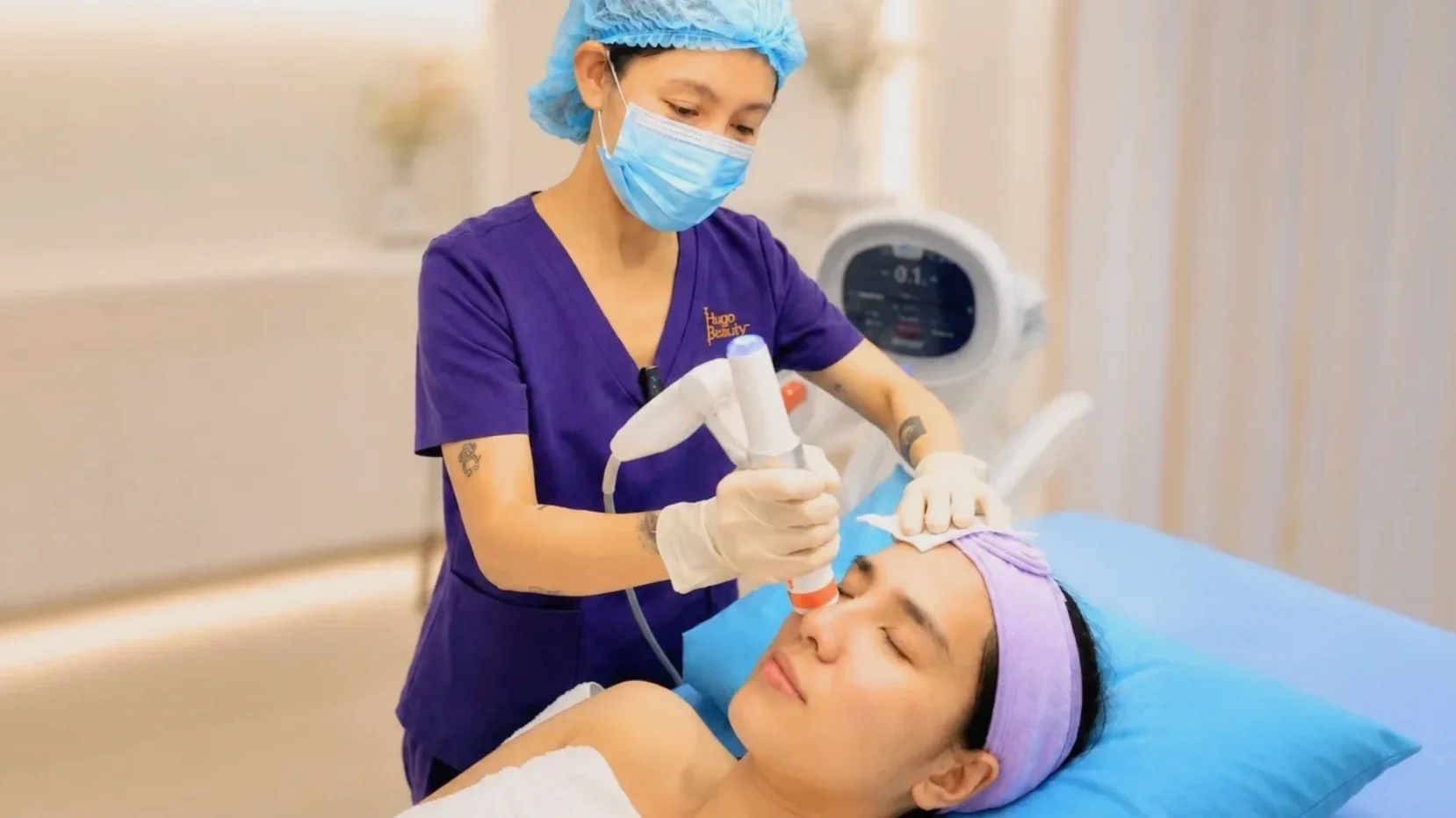
This in-depth article provides a comprehensive overview of HIFU (High-Intensity Focused Ultrasound) technology. It explains how focused ultrasound energy works, the structure of the skin and the SMAS (Superficial Musculoaponeurotic System) layer, the collagen and elastin renewal process, and the applications of HIFU in non-invasive aesthetic procedures.
What Is HIFU?
HIFU stands for High-Intensity Focused Ultrasound.
Unlike methods that work only on the skin’s surface, HIFU delivers focused ultrasound energy to specific depths beneath the skin. The energy passes through the skin’s surface without damaging the epidermis and creates small thermal points within the targeted tissue layer.
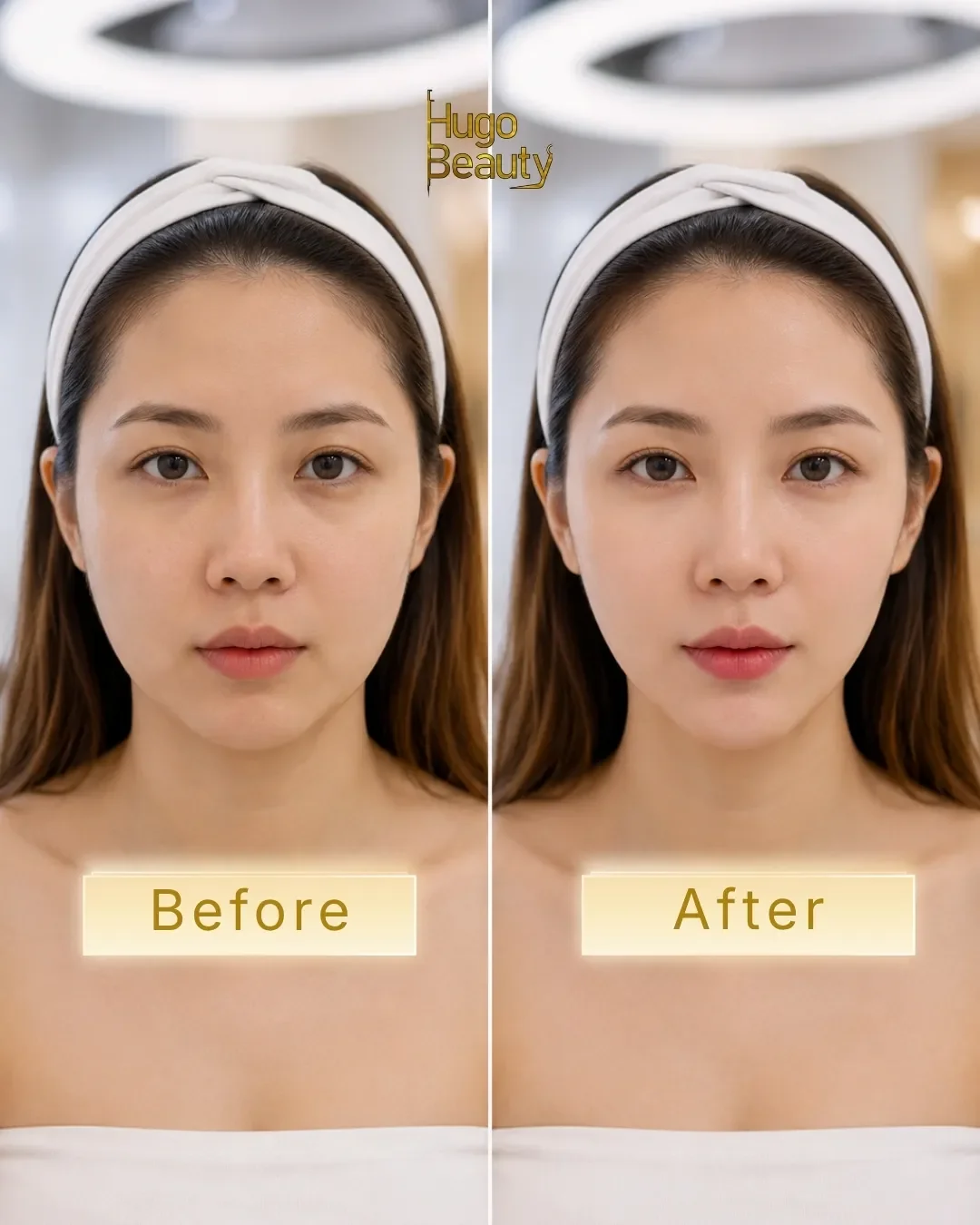
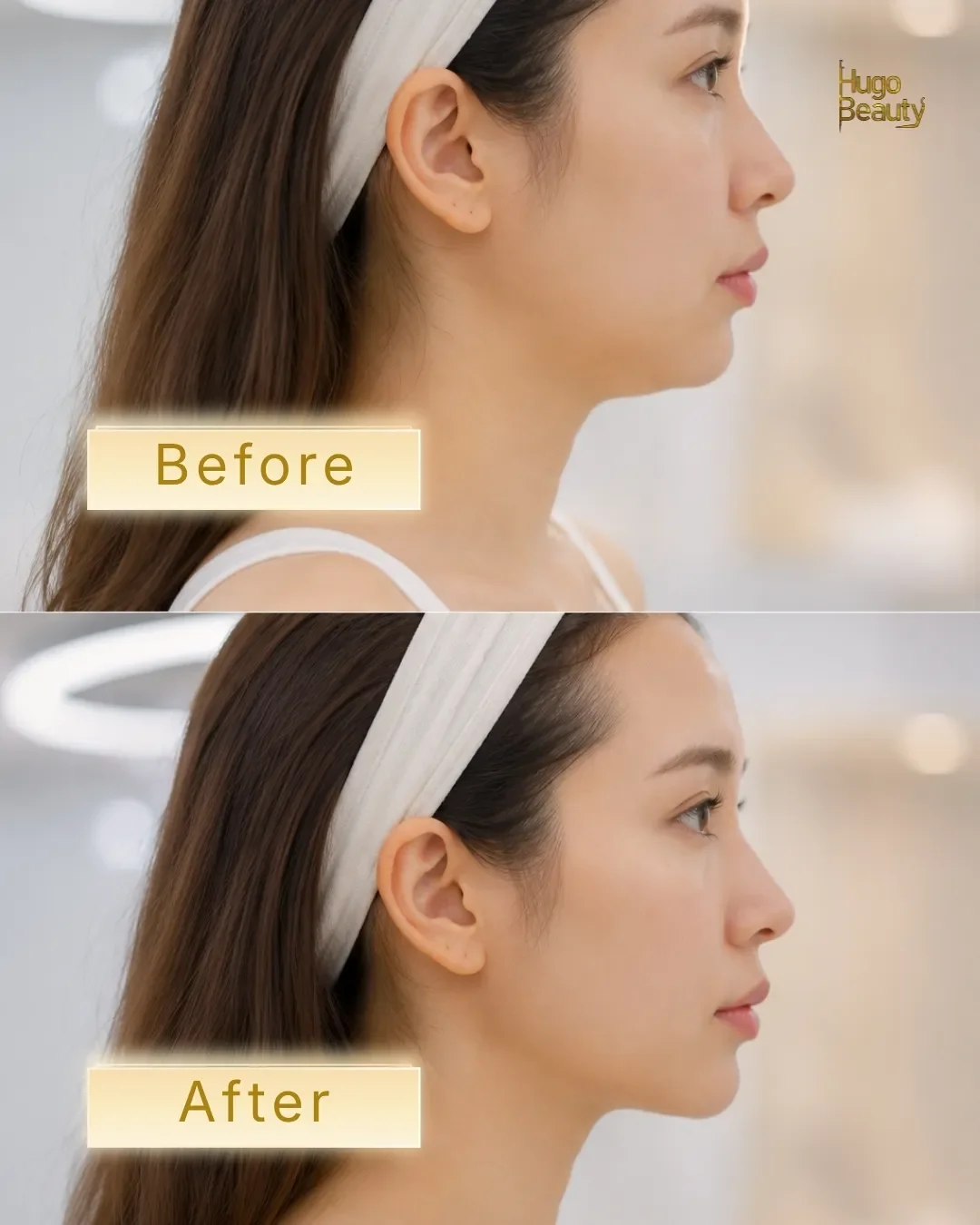
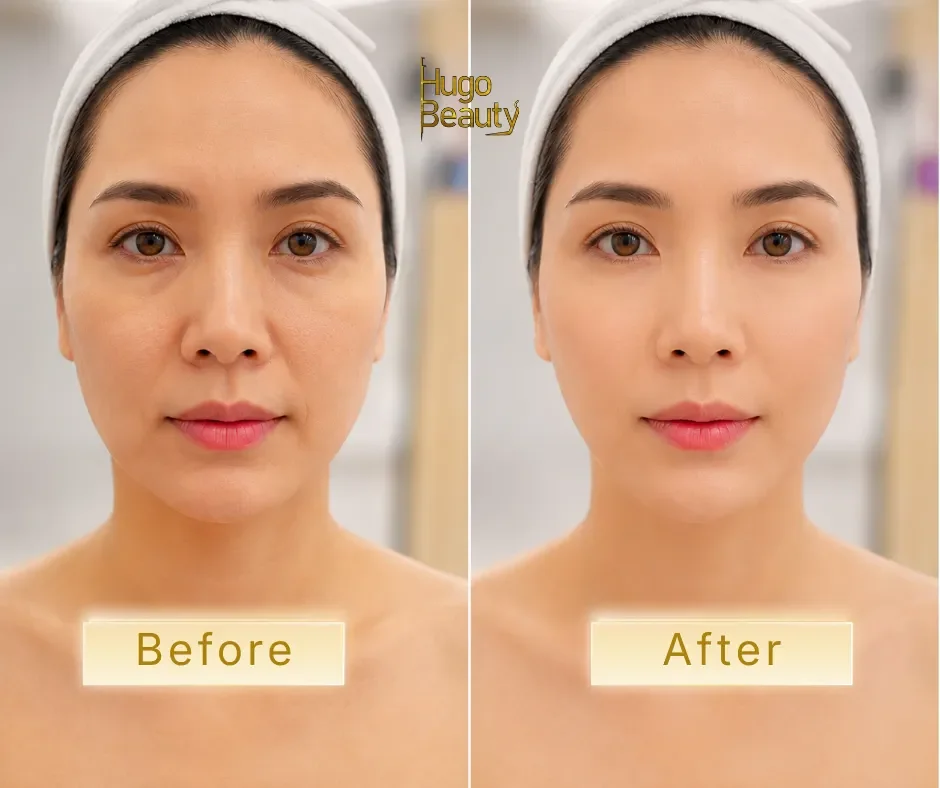
Thanks to this technology, HIFU is used in non-invasive aesthetics to support firmer-looking skin and help maintain natural-looking facial contours.
The level of improvement may vary depending on each person’s skin condition, age, individual response, and personalised procedure plan.
Why Can Skin Become Less Firm Over Time?
Ageing is a natural biological process. In addition to age, several other factors may affect skin firmness, including:
The gradual reduction of collagen and elastin
Frequent exposure to UV rays
Lifestyle, nutrition, and sleeping habits
Changes in body weight
Genetic factors
These changes do not occur only on the skin’s surface. They may also affect the deeper supporting tissues, which can cause facial contours to change over time.
For this reason, many modern aesthetic technologies have been developed to reach deeper tissue layers instead of focusing only on surface-level skincare.
How Does HIFU Work?
HIFU works by focusing multiple ultrasound beams on a specific point beneath the skin.
When the energy reaches the selected depth, it creates localised heat within a very short period. This response supports tissue remodelling and helps stimulate the body’s natural collagen production process.
The process generally takes place in three stages:
Stage 1 – Energy Delivery
Ultrasound energy passes through the skin’s surface and is focused on the targeted tissue layer without invasive intervention.
Stage 2 – The Body’s Natural Response
After receiving the energy, the body begins its natural collagen remodelling process. This biological response develops gradually over time.
Stage 3 – Gradual Improvement in Skin Firmness
As collagen is remodelled, many clients may notice firmer-looking skin and more defined facial contours over time. The timing and level of improvement can vary from person to person.
Which Layers of the Skin Does HIFU Target?
One of the key advantages of HIFU technology is its ability to target different tissue depths by using specialised cartridges.
Ultraformer MPT
HIFU Cartridge Depths
Ultraformer MPT uses a range of HIFU cartridges designed to reach different tissue depths. The choice of cartridge depends on the selected area, tissue characteristics, and each client’s aesthetic goals.
1.5 mm Cartridge
The superficial skin layer.
Helps improve the appearance of the skin’s surface in suitable areas.
2.0 mm Cartridge
The superficial skin layer.
Suitable for delicate areas with thinner skin that require precise application.
3.0 mm Cartridge
The dermal layer.
Supports improved skin firmness and elasticity.
4.5 mm Cartridge
A deeper tissue layer associated with the SMAS support system.
Supports firmer-looking skin and more defined facial contours.
6.0 mm Cartridge
Deeper tissue layers in selected body areas.
Selected according to the application area and tissue characteristics.
9.0 mm Cartridge
Deeper tissue layers in selected body areas.
Selected according to the application area and individual aesthetic goals.
Note: Not every HIFU cartridge is suitable for every client or every facial area. An in-person consultation helps determine the appropriate depth, energy level, and distribution of ultrasound lines for each individual.
What Is the SMAS Layer?
When learning about HIFU, many people come across the term SMAS, which stands for the Superficial Musculoaponeurotic System.
The SMAS is a structural layer located beneath the subcutaneous fat. It plays an important role in supporting the soft tissues of the face. Over time, natural ageing may also cause changes within this supporting system, contributing to less defined facial contours.
Some HIFU technologies are designed to deliver focused ultrasound energy to depths associated with the SMAS layer or nearby tissues, depending on the cartridge and selected area. This is one of the key differences between HIFU and many skincare methods that work only on the skin’s surface.
However, HIFU is not a replacement for surgical facelift procedures. Each approach has its own indications and aesthetic goals, so the most suitable option should be considered according to the client’s individual condition and expectations.
Is HIFU a Non-Invasive Procedure?
In the aesthetic field, HIFU is classified as a non-invasive technology because it does not require skin incisions or create open wounds on the skin’s surface.
During the procedure, the device handpiece is moved across the skin with a specialised ultrasound gel, allowing focused energy to reach the selected tissue depth.
After the procedure, many clients can return to their normal daily activities. Some people may experience temporary reactions, such as mild warmth or increased skin sensitivity, depending on their individual response and the area involved.
To better understand the differences between HIFU and Thermage FLX and choose a technology that suits your needs, you can read our article: HIFU vs Thermage FLX: Which Technology Should You Choose for Facial Lifting?
Note: This article provides general information about HIFU technology and does not replace an in-person consultation. Suitability and visible results may vary depending on each client’s skin condition, individual response, and personalised procedure plan.
Choosing between HIFU and Thermage FLX depends on your skin concerns, preferred technology, and aesthetic goals. This comparison explains how the two options differ and which may be more suitable for the appearance of sagging skin.
Read more:
→ HIFU vs Thermage FLX: Which Is Better for Sagging Skin?
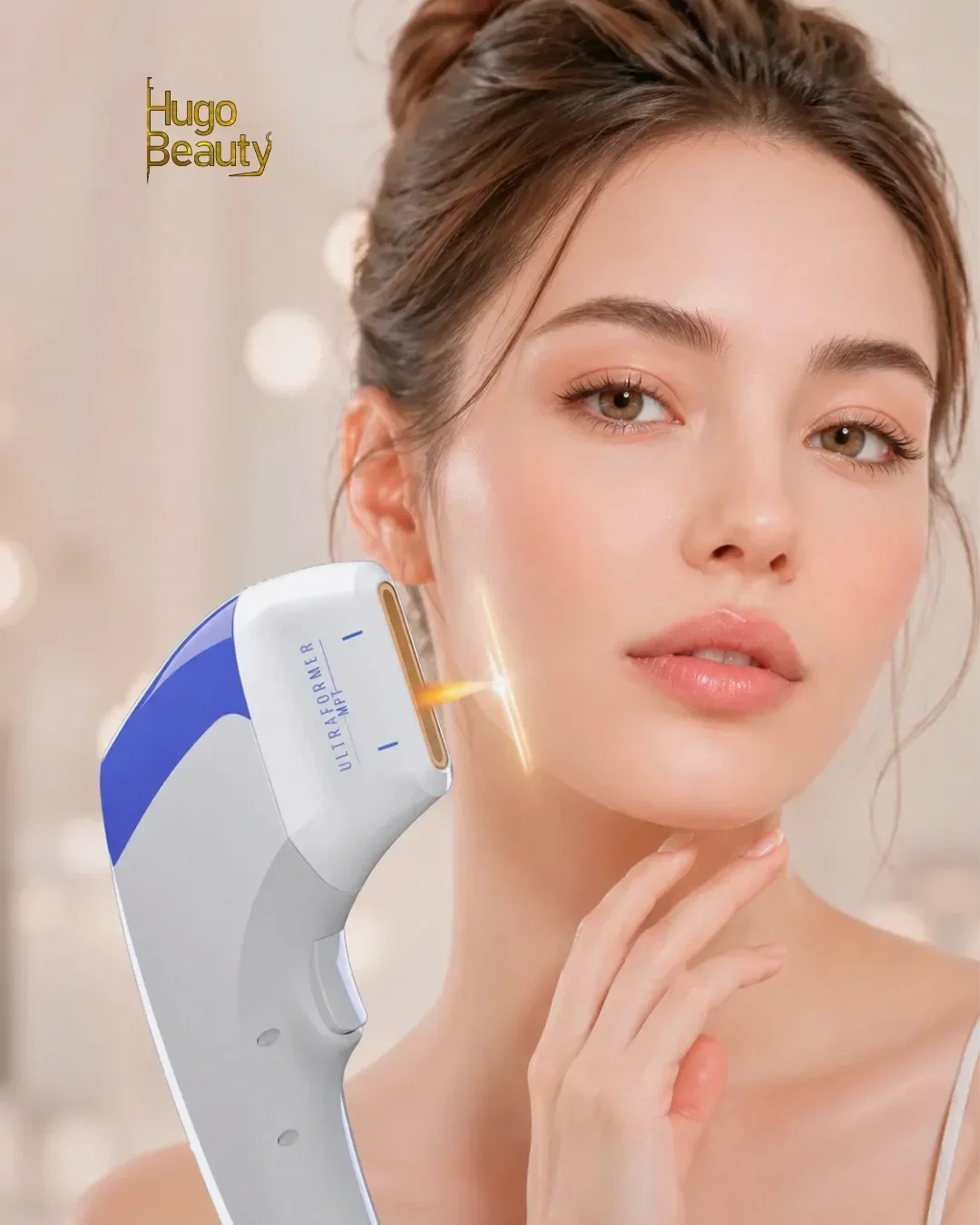
Why Do Many Clients Choose Ultraformer MPT?
In addition to the principles of High-Intensity Focused Ultrasound (HIFU), the quality of the device is another important factor that may influence the overall experience. Ultraformer MPT is a newer-generation HIFU system featuring Micro Pulsed Technology (MPT) combined with Micro and Macro Focused Ultrasound (MMFU). It delivers focused ultrasound energy through a range of transducers designed to reach different tissue depths.
By selecting the appropriate transducer for each area, Ultraformer MPT can deliver energy to targeted tissue layers, including the dermis, subcutaneous tissue, and tissue associated with the SMAS. The selected depth depends on the area and the client’s personalised plan.
At Hugo Beauty, Ultraformer MPT is used to create an individualised plan for each client, with a focus on a comfortable experience and careful transducer selection for different facial areas.
Key Features of Ultraformer MPT
Uses multiple transducers designed for different tissue depths.
Supports energy delivery to different targeted tissue layers according to the selected area.
Helps improve skin firmness and support natural-looking facial contours.
Requires little to no downtime in most cases.
Offers a relatively quick procedure time.
Allows the procedure plan to be personalised according to each client’s skin condition and aesthetic goals.
Common Areas for HIFU
Ultraformer MPT can be used on different areas of the face and neck, depending on each client’s skin condition and individual needs.
Cheek Area
HIFU may help improve the appearance of less firm skin and support more balanced, natural-looking facial contours.
Read more
→ HIFU for Cheek Contouring in Ho Chi Minh City
Jawline
The jawline is a popular area for clients who want their facial contours to appear more defined and balanced.
Read more
→ HIFU Jawline Contouring in Ho Chi Minh City
Chin and Double Chin Area
HIFU is often selected to support improvement in the area beneath the chin and contribute to a more refined-looking facial profile.
Read more
→ HIFU for the Chin and Double Chin
Who Is Suitable for HIFU?
Every client has different needs and expectations. An in-person assessment helps determine whether HIFU is a suitable option and allows for a more personalised plan.
HIFU is often considered by clients who:
Notice that their skin is beginning to feel less firm.
Want to maintain natural-looking facial contours.
Prefer an option without surgery.
Want a relatively short recovery period.
Prefer a non-invasive aesthetic procedure.
Read more
Why Choose Hugo Beauty in Ho Chi Minh City?
Hugo Beauty follows a Quiet Luxury Aesthetic philosophy, focusing on natural refinement rather than significantly changing each client’s existing facial features.
Clients choose Hugo Beauty for:
Ultraformer MPT technology.
A private and comfortable setting.
A skin assessment before the procedure.
A personalised plan designed for each face.
A focus on natural-looking and harmonious results.
HIFU Client Reviews
⭐⭐⭐⭐⭐
"Kieu is wonderful. I had a HIFU treatment. She is very gentle, professional, and truly knows what she's doing. I felt comfortable and well cared for throughout the whole treatment. The results were beautiful, and I couldn't be happier."
— Sharon Salvador HIFU Client
⭐⭐⭐⭐⭐
“My first HIFU experience was gentle and comfortable. My face felt firmer after the session, and Ms Qun was very attentive. I’m truly happy with Hugo Beauty.”
— Ngọc Hiền
HIFU Client
⭐⭐⭐⭐⭐
"As someone in my 40s, I was looking for something to lift my face without going under the knife. HIFU at Hugo Beauty gave me subtle but visible improvements—my cheeks look lifted and my smile lines are less deep."
— Cao Nin HIFU Client
Frequently Asked Questions
Is Ultraformer MPT painful?
Some discomfort may occur, but it is usually mild to moderate and varies from person to person. Many clients describe a warm, tight, or temporary tingling sensation during the procedure. This feeling usually reduces quickly after the session.
How often should Ultraformer MPT be performed?
Ultraformer MPT is commonly performed every 12–18 months, depending on the individual’s skin condition and aesthetic goals. After an in-person assessment, a suitable schedule can be recommended to help maintain skin firmness.
How long does collagen remodelling take after HIFU?
The collagen remodelling process usually begins within 2–4 weeks. After HIFU creates focused thermal points within the tissue, the body naturally starts producing new collagen and elastin. The timing and level of change may vary between individuals.
Is downtime required after Ultraformer MPT?
In most cases, no downtime is required. As Ultraformer MPT is non-invasive, most clients can return to their normal daily activities immediately. Temporary redness or mild skin sensitivity may occur.
How long can Ultraformer MPT results last?
Results may last around 12–18 months in many cases. However, this depends on individual response, age, skin condition, and skincare habits. The actual duration may vary from person to person.
Is Ultraformer MPT suitable for everyone?
No. Ultraformer MPT may be suitable for many people who notice reduced skin firmness or want to support more defined facial contours without surgery. However, an in-person assessment is recommended to determine whether the technology is appropriate for each individual’s skin condition and aesthetic goals.
Related Articles
Learn About HIFU Technology
→ HIFU Face Lifting in Ho Chi Minh City
→ Ultraformer MPT in Ho Chi Minh City
Before You Decide
→ HIFU Price in Ho Chi Minh City
→ Who Is Suitable for HIFU?
→ HIFU Before and After Results
Explore HIFU by Area
→ HIFU Jawline Contouring
→ HIFU for the Chin and Double Chin
→ HIFU Cheek Contouring